The 26th lap
An Ethiopian 20-year-old and a white South African ran the 10,000 metres together. Then they ran one more lap, hand in hand.
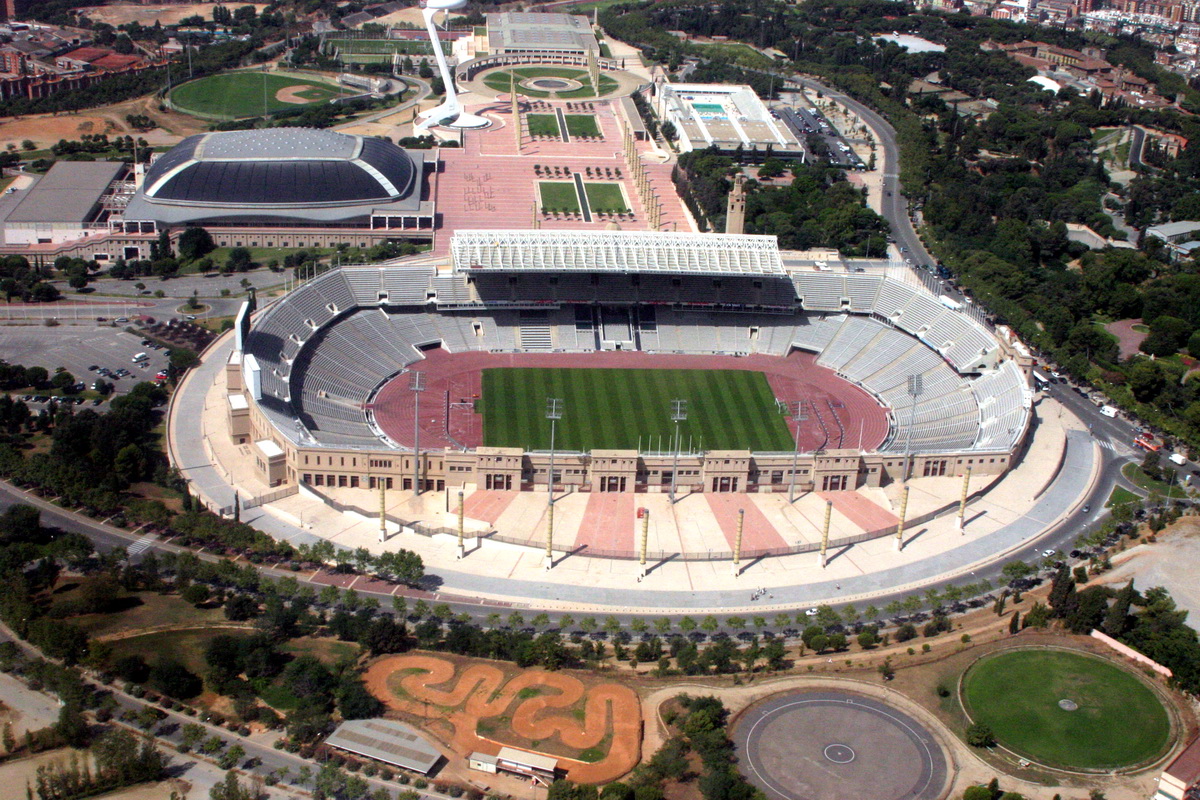
The women's 10,000 metres final in Barcelona was supposed to belong to Liz McColgan, the world champion. Instead it was taken over by two runners almost nobody had tipped.
Derartu Tulu was 20, from Bekoji in Ethiopia, a village of cattle herders that would go on to produce a remarkable number of champions. Elana Meyer was running for South Africa, back at the Olympics for the first time since 1960 after decades of exclusion over apartheid. Meyer carried a neutral Olympic flag. Her country was still in the middle of dismantling apartheid.
Around the tenth lap the two of them broke clear, and for most of the race it was Meyer at the front and Tulu on her shoulder, lap after lap, the rest of the field fading behind.
With a lap to go, Tulu went. She ran the last lap in about 67 seconds. Meyer, who had been grinding out 73-second laps, could not respond. Tulu won in 31:06.02, more than five seconds clear. She was the first black African woman to win an Olympic gold medal.
What happened next is why people still talk about it. Tulu waited at the line for Meyer. They embraced, joined hands and set off on a lap of honour together, Tulu with the Ethiopian flag, Meyer with hers. The 25-lap race had finished. The 26th lap is the one that was remembered.
Meyer has said it was spontaneous. In Ethiopia, Tulu says, whenever people mention the Barcelona final, they mention Elana too.
Tulu became the only woman to win the Olympic 10,000 metres twice and later led the Ethiopian Athletics Federation. Meyer went on to become one of the great road runners of the 1990s.
More flashbacks
All
53,000 at Goodison, then a 50-year ban
The biggest crowd for a women's club match stood for almost a century. Within a year, the FA had shut women out of every ground it controlled.
The worst Olympic marathon ever run
One well for water. A winner who arrived by car. A champion kept going on rat poison. St Louis, 1904.

555 and then Toulouse
For five and a half years nobody beat Jahangir Khan. Not once. Then a New Zealander who had lost to him 30 times walked on court in France.