The worst Olympic marathon ever run
One well for water. A winner who arrived by car. A champion kept going on rat poison. St Louis, 1904.
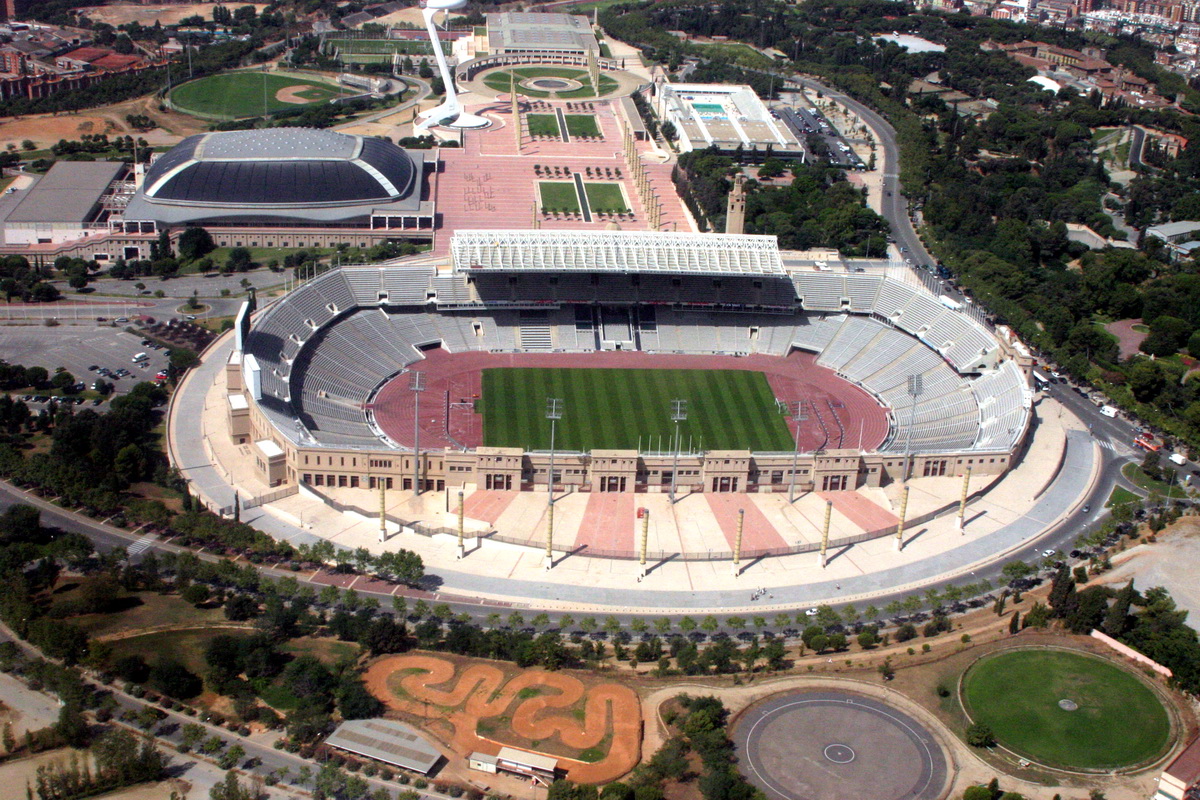
The 1904 Olympic marathon was run in the hottest part of the afternoon in St Louis, Missouri, in roughly 32°C heat, on dirt roads with the race officials' cars driving ahead of the runners and throwing up dust. There was one source of water on the whole course: a well around halfway.
Thirty-two men started. Fourteen finished.
Fred Lorz of New York was first into the stadium. The crowd cheered, and he was about to be presented with the gold when it emerged that he had dropped out with cramp after about nine miles and been given a lift in a car for a good part of the race. He was banned for life. The ban was cut to six months, and the next year he won the Boston Marathon.
The real winner, Thomas Hicks, was barely alive. His trainers had given him doses of strychnine mixed with egg white and brandy to keep him going, which would get you banned today and could easily have killed him. He was hallucinating by the end, had to be held up, and was carried off the track. His winning time was 3 hours 28 minutes 53 seconds.
The Cuban runner Andarín Carvajal, a postman, turned up at the last minute and ran in street clothes with the trouser legs cut off. Along the way he ate some rotten apples, lay down for a nap, and still came fourth.
Len Taunyane, from South Africa, was chased about a mile off the course by a dog and finished ninth. William Garcia was found unconscious by the road with severe internal injuries from the dust he had breathed.
Historians still argue over the result. One has argued that the help Hicks received should have disqualified him and the gold should go to Albert Corey. The official result has not changed.
More flashbacks
All
53,000 at Goodison, then a 50-year ban
The biggest crowd for a women's club match stood for almost a century. Within a year, the FA had shut women out of every ground it controlled.
The 26th lap
An Ethiopian 20-year-old and a white South African ran the 10,000 metres together. Then they ran one more lap, hand in hand.

555 and then Toulouse
For five and a half years nobody beat Jahangir Khan. Not once. Then a New Zealander who had lost to him 30 times walked on court in France.