The fastest man on earth
Major Taylor was the world's best sprint cyclist when cycling was the biggest sport in America. He raced through threats, bans and attacks, and died in a charity ward.
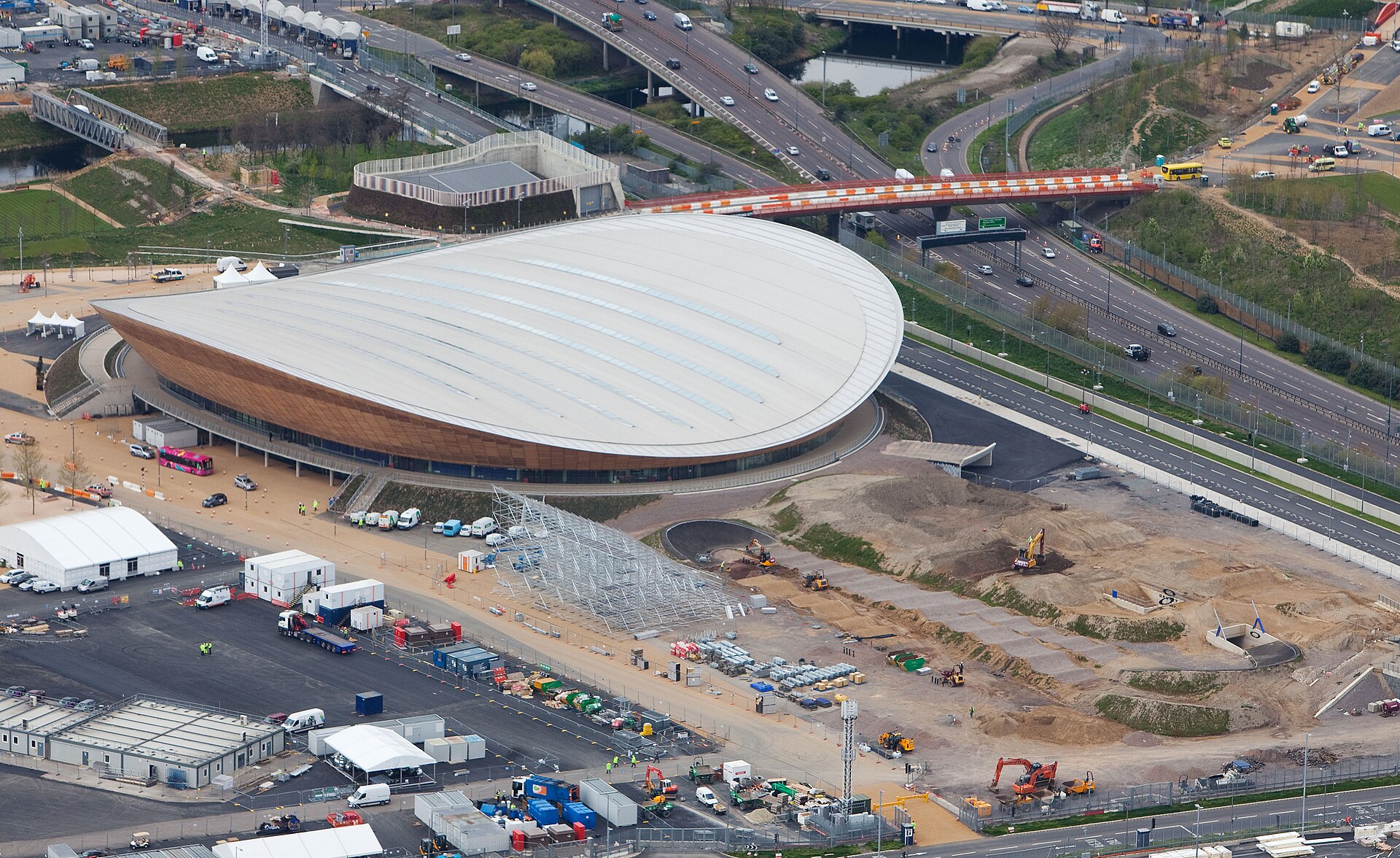
At the end of the 1890s, track cycling was one of the biggest spectator sports in the United States, and its biggest star was a young black man from Indianapolis called Marshall "Major" Taylor.
In 1899, in Montreal, he won the one-mile sprint at the world championships. He was the first African American to become a world champion in cycling, and only the second black athlete to win a world championship in any sport. In 1898 and 1899 he set seven world records, from the quarter-mile to two miles. One of them, a paced mile in 1:41, stood for 28 years.
He did it against everything. Tracks banned him. Promoters in the South refused to let him race white riders. Rivals boxed him in, threatened him and attacked him: one choked him after a race in 1897, and he received a written death threat in Savannah. He refused to race on Sundays because of his faith, which cost him titles.
In Europe and Australia, where he toured to huge crowds, he was treated as the star he was. His 1903 world tour earned an estimated $35,000 in prize money, an enormous sum for the time.
It did not last. Bad investments and the 1929 crash took his money and his home. He spent his last years in Chicago, living at a YMCA hotel and selling copies of his autobiography. He died in 1932, aged 53, in a charity ward, and was buried in an unmarked grave.
In 1948 a group of former racers, with money from the bicycle maker Frank Schwinn, moved him to a proper grave with a proper headstone.
His story was largely forgotten for decades. It is told again now, and his name is back where it belongs.
More flashbacks
All
53,000 at Goodison, then a 50-year ban
The biggest crowd for a women's club match stood for almost a century. Within a year, the FA had shut women out of every ground it controlled.
The 26th lap
An Ethiopian 20-year-old and a white South African ran the 10,000 metres together. Then they ran one more lap, hand in hand.
The worst Olympic marathon ever run
One well for water. A winner who arrived by car. A champion kept going on rat poison. St Louis, 1904.