53,000 at Goodison, then a 50-year ban
The biggest crowd for a women's club match stood for almost a century. Within a year, the FA had shut women out of every ground it controlled.
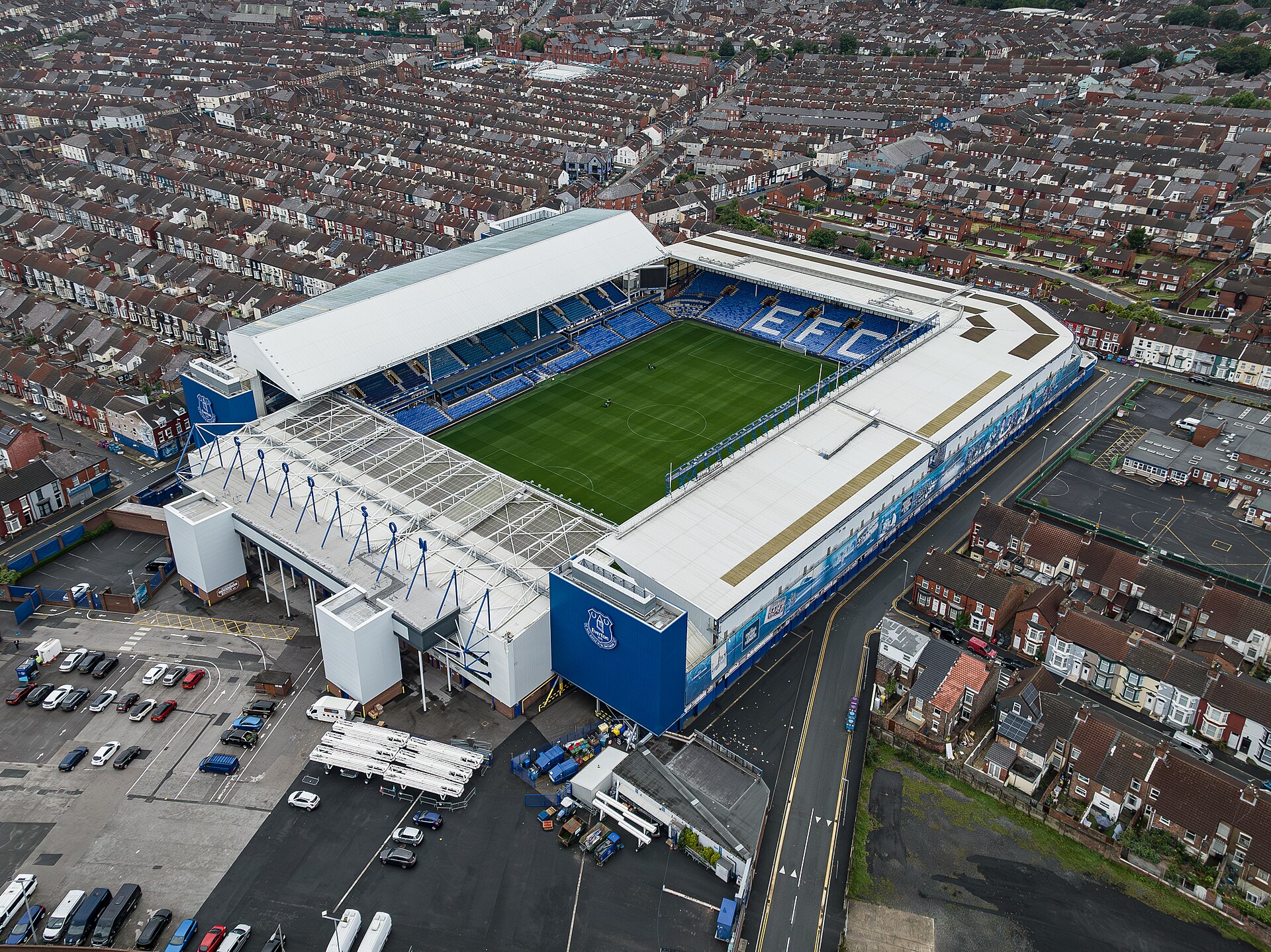
Boxing Day 1920, Goodison Park. Everton were not playing. The crowd of 53,000 had come to watch two works teams of women from Lancashire: Dick, Kerr Ladies of Preston and St Helens Ladies.
Dick, Kerr Ladies started in October 1917 as a kickabout in the yard of a Preston munitions factory. Women had taken over the jobs of the men sent to the front, and they took over the football too. An office worker called Alfred Frankland saw the crowds that gathered to watch and turned the kickabout into a team. They played for charity, and they drew crowds most Football League clubs would have killed for.
Their star was Lily Parr. Pathé newsreels filmed her, and people came to grounds just to watch her play.
The Goodison match raised money for unemployed ex-servicemen. It was a high point that should have been a beginning. Instead it was the start of the end.
On 5 December 1921 the Football Association banned women's football from the grounds of its member clubs. Its council called the game "quite unsuitable for females" and complained about how gate money was being used. No club could host a women's match. Overnight, the crowds had nowhere to go.
Dick, Kerr Ladies refused to stop. They played on rugby grounds and fields. In 1922 they toured the United States and took on men's teams, winning three, drawing three and losing three of nine games. Canada's football association refused to let them play there at all.
The club, renamed Preston Ladies in 1926, kept going until 1965. Its record across 48 years: 755 games, 682 wins, 39 draws, 34 defeats.
The FA lifted the ban in 1971, six years after the team had folded and fifty years after it was imposed. No women's club match anywhere in the world drew a bigger crowd until 2019.
The women's game in England now fills Wembley. It took a century to get back to where Dick, Kerr Ladies had it in 1920.
More flashbacks
All
The 26th lap
An Ethiopian 20-year-old and a white South African ran the 10,000 metres together. Then they ran one more lap, hand in hand.
The worst Olympic marathon ever run
One well for water. A winner who arrived by car. A champion kept going on rat poison. St Louis, 1904.

555 and then Toulouse
For five and a half years nobody beat Jahangir Khan. Not once. Then a New Zealander who had lost to him 30 times walked on court in France.